


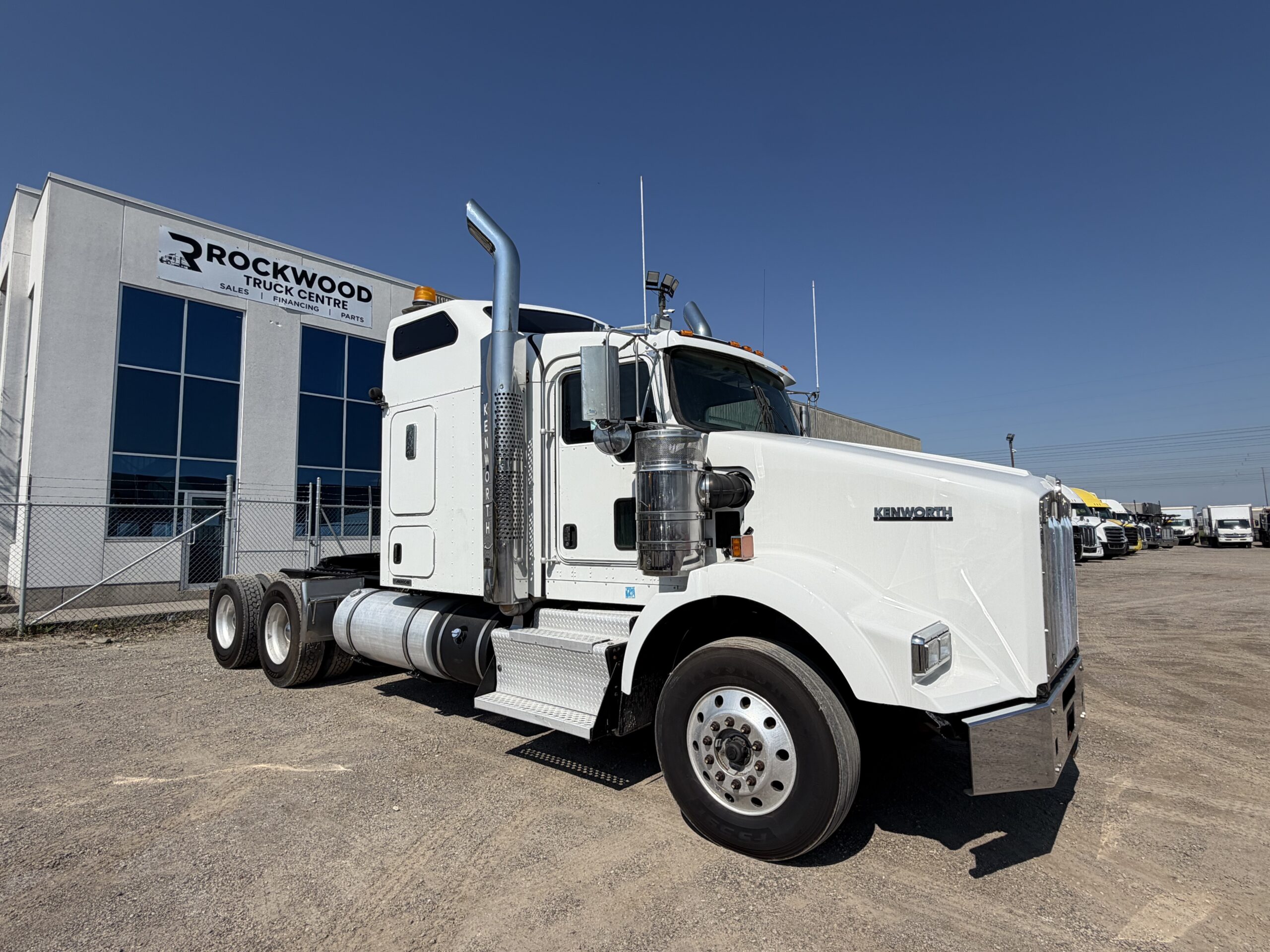
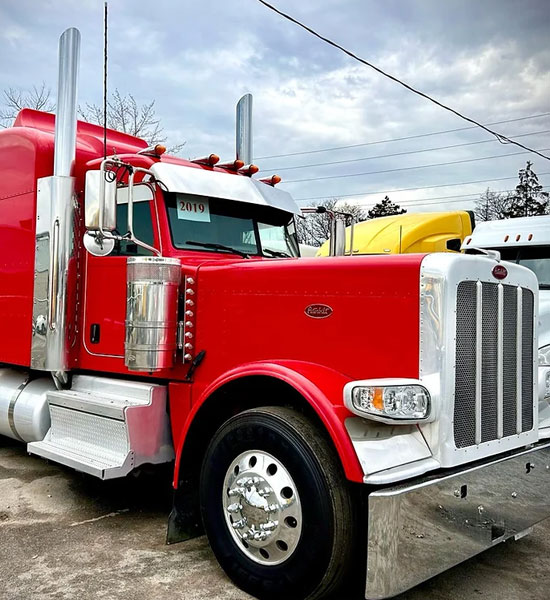
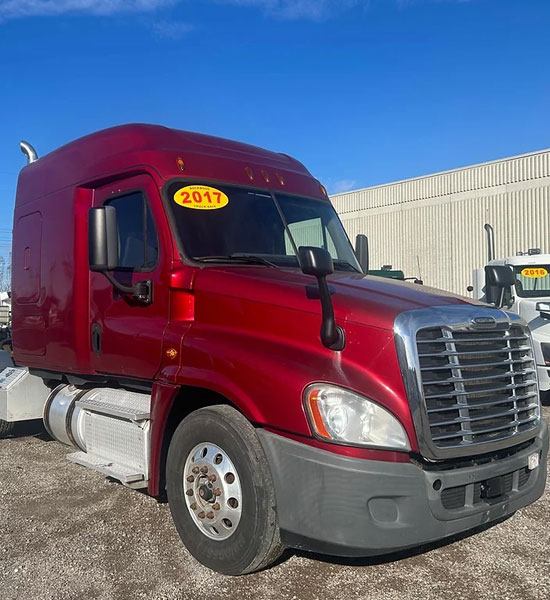


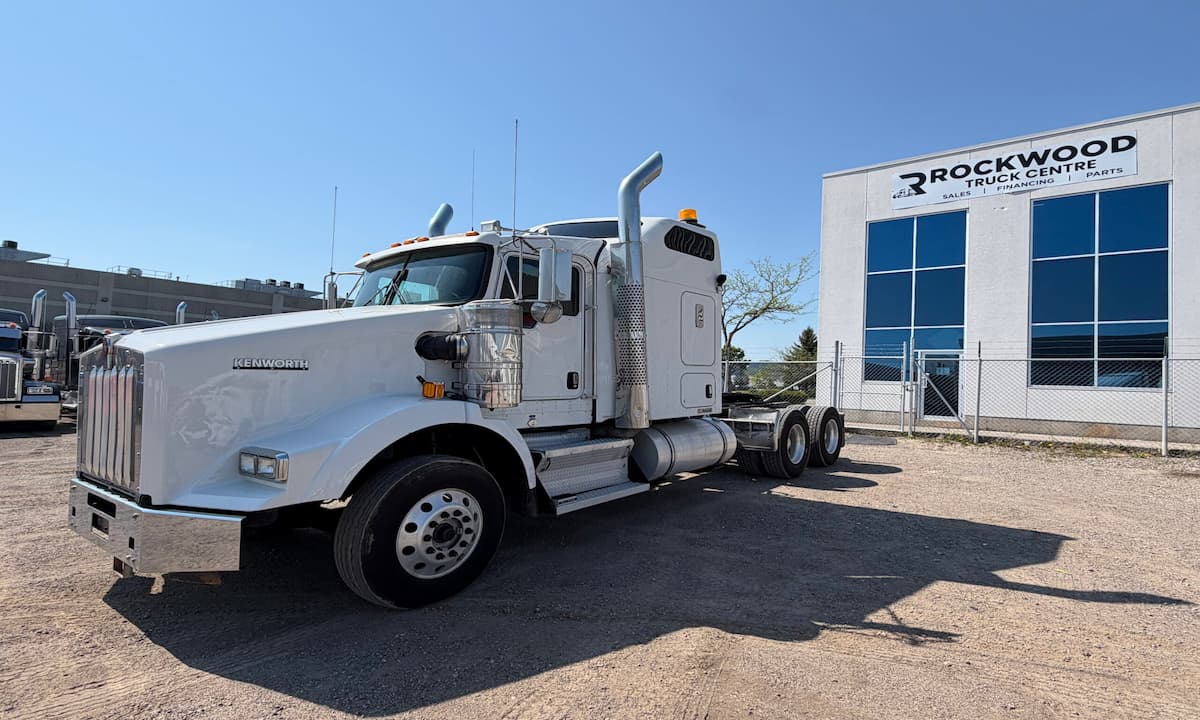
Buying a pre-owned commercial vehicle can feel like a high-stakes guessing game if you do not have the right paperwork in your hands. You are investing a significant amount of your hard-earned capital, and you need to know exactly how that machine was treated before you take ownership. A shiny coat of fresh paint and a clean interior can easily mask years of missed oil changes or hidden engine issues. If you are shopping around for a reliable Kenworth truck in Mississauga, learning how to dig deep into the service history will protect your investment and save your business from expensive roadside breakdowns.
Let us walk through the exact steps you need to take to verify a commercial vehicle’s past care. We will look at how to read between the lines of repair logs, spot red flags, and make a smart purchase decision.
The Paper Trail: Tracking Down Real Service Logs
The easiest place to start your verification process is with the physical or digital receipts. A trustworthy seller should have a clear folder full of past work orders and part receipts. Look for consistency in the dates and mileage numbers. Regular oil changes, brake replacements, and grease jobs show that the previous owner respected the machine and tried to prevent issues before they happened.
If the seller claims they lost the records, you can still find the truth. Ask which repair shops they used and call those facilities directly. Most commercial service centers keep digital copies of every job linked to the vehicle identification number. If a seller refuses to share the names of their regular mechanics, take that as a major warning sign.
Decoding Digital Records and ECM Reports
Modern commercial vehicles are essentially giant computers on wheels. Every time an engine sensor misfires or a component gets too hot, the computer logs that data. Asking a qualified mechanic to pull a full report from the engine control module provides an unedited look at how the vehicle was driven.
- Total Engine Hours vs. Odometer Mileage: This helps you spot excessive idling times.
- Historical Fault Codes: This reveals recurring electronic or mechanical bugs.
- Hard Braking Events: This indicates rough driving habits by past drivers.
- Lifetime Fuel Consumption: This gives you great clues about overall engine efficiency.
Compare the mileage stored in the computer module with the physical odometer on the dashboard. If those numbers do not match up perfectly, someone might have tampered with the cluster. This computer check also reveals recurring issues that the seller might have cleared right before you arrived for a test drive.
Inspecting Physical Signs of Hidden Neglect
While paperwork is great, the physical truck never lies. You can easily cross-reference the written records with a close look under the hood. For instance, if the maintenance log claims the air filters and belts were replaced last month, pull them out and look for yourself. Brand new parts look clean, while older components will show dust, cracking, or grease buildup.
Look at the chassis grease points. A well-maintained truck will have fresh, wet grease around the joints. Dry, rusty fittings mean the truck skipped routine lube jobs, which leads to worn-out steering parts and a rough ride. While browsing through the available stock of kenworth Mississauga used trucks, taking twenty minutes to crawl under the frame with a bright flashlight can tell you more than a stack of unverified papers.
The Golden Rule of Fluid Analysis
If you want absolute certainty about the condition of an engine and transmission, ask for a fluid analysis report. This simple process involves taking a small sample of the engine oil and coolant and sending it to a specialized laboratory. The lab tests the fluid for microscopic traces of metals, fuel, and water.
High levels of iron or copper in the oil sample mean the internal bearings are wearing out fast. Finding traces of coolant in the oil points directly to a leaking head gasket or a cracked engine block. This test acts like a medical blood test for the machine, giving you a clear picture of internal wear before a major failure occurs.
Powerful Frequently Asked Questions
Absolutely. Large transport fleets often follow strict preventative maintenance programs based on strict calendar dates, regardless of how much the truck sat. Owner-operators sometimes skip minor service jobs during slow freight months to save cash, leading to long-term wear that does not show up on the odometer right away.
This combination means the truck spent an excessive amount of time idling or working in heavy stop-and-go city environments. High idle times cause carbon buildup in the exhaust systems and place hidden wear on the pistons that you cannot see by simply looking at the mileage.
Frequent sensor swaps usually mean the vehicle has a deeper, unresolved electrical problem or a damaged wiring harness. Instead of fixing the root cause, the previous owner kept replacing cheap parts to turn off the warning lights temporarily.
Look closely at the exhaust pipe connections for fresh welds or hollowed-out metal boxes. A legitimate maintenance history should include regular service records for the diesel particulate filter, including professional cleanings and sensor updates.
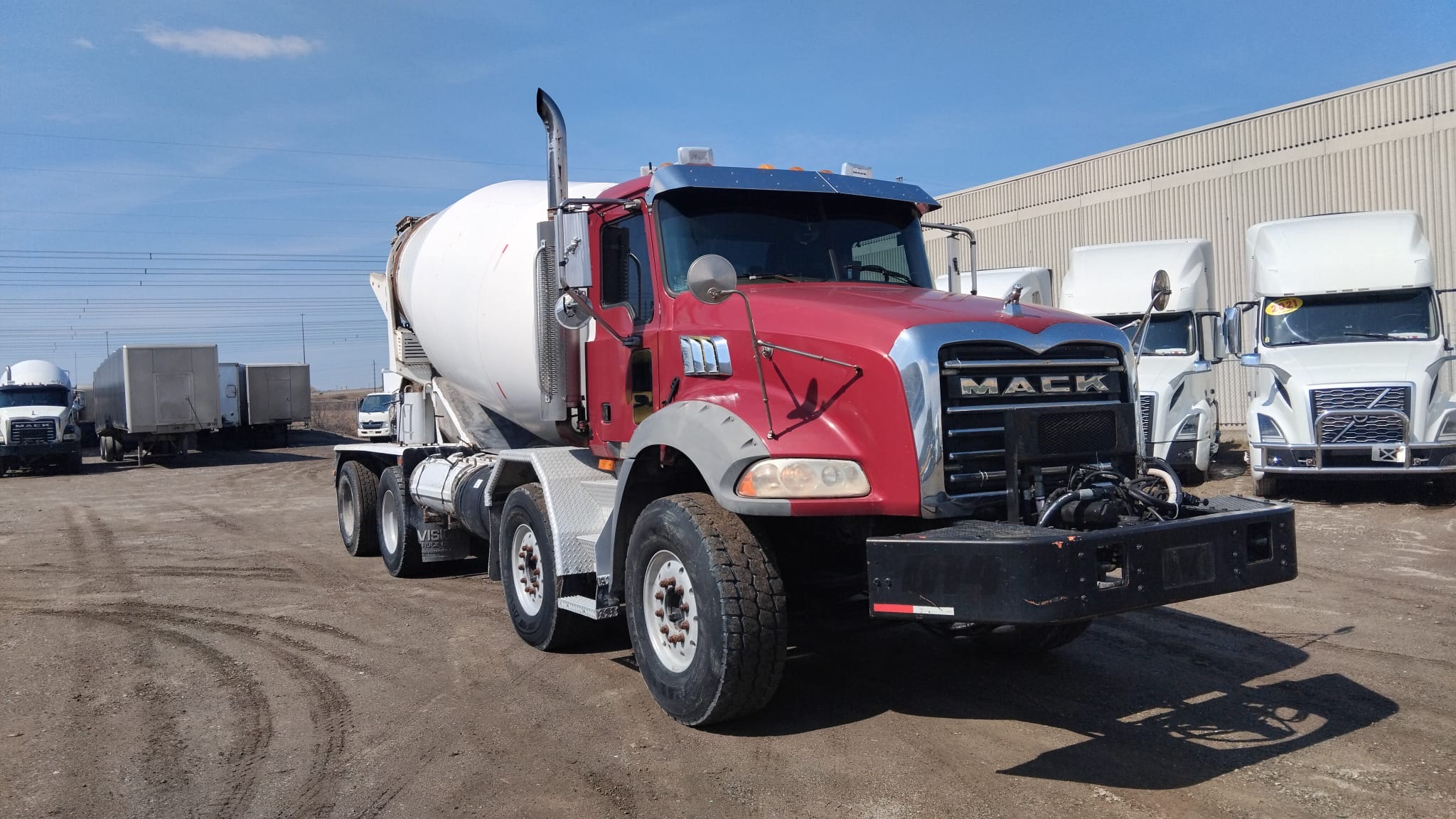
Liquid tankers create a constant sloshing motion that puts severe, rhythmic stress on the transmission gears and the rear suspension. Heavy aggregate hauling means the frame rails routinely bent under maximum weight capacities, which can cause subtle structural cracks over time.
Final Thoughts and Your Next Step
Protecting your business from bad investments requires patience, smart research, and a clear inspection process. Verifying past service logs ensures you buy a tool that creates profit rather than a money pit that drains your savings.
Instead of rolling the dice on private listings or unverified lots, you can find your next vehicle with absolute confidence. Rockwood Truck Centre takes the stress out of your purchasing journey by offering fully inspected pre-owned commercial vehicles with transparent backgrounds. You will find a great selection of top-tier daycabs, highway tractors, and medium-duty models ready to work. Their experienced staff can guide you through detailed service records and set you up with straightforward, hassle-free financing plans tailored to your budget. Head over to Rockwood Truck Centre today to browse the current inventory and secure a dependable vehicle that keeps your business moving forward safely.