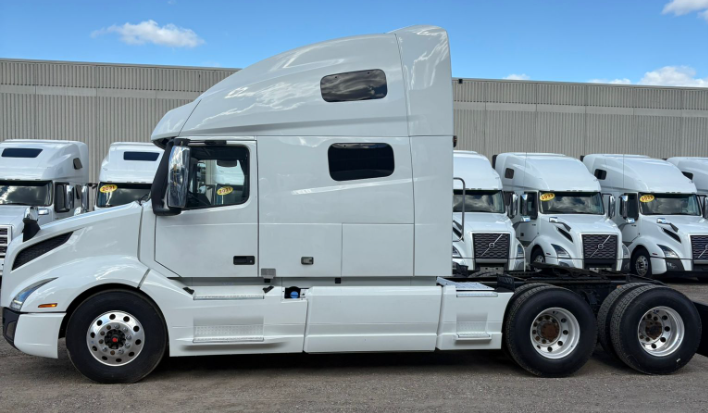
A sharp season often pushes owners to scan for a Reefer truck for sale in Toronto. Cold mornings. Thick frost on the yard. Fuel going up and down like a yo-yo. And every fleet operator keeps one question ready. How much will reefer trucks cost to buy, run and keep running through winter in Toronto?
Let’s talk about it slowly. No fluff. No half-truth . Just clear insight that helps you make smart calls before the snow piles up.
Why winter raises reefer costs
Cold air feels harmless but it hits your pocket from many angles. A reefer unit must keep box temperature steady. When the outside freezes, the system works longer hours. That means more fuel burn, more engine cycles and more wear. The truck itself also faces rough idle start ups, harder air systems, battery drag and long warm up waits.
Anyone who has tried to start a truck at minus fifteen knows it feels like waking a bear. Slow. Heavy. Annoyed. Kind of like us before coffee.
But we push through. Because freight does not pause for weather. Grocery stores expect fresh loads. Food distributors need chilled cargo. And every delay strains margins further.
Winter also adds cost to tires, brakes, fluids and filters. Cold thickens oil. Tires lose air. Roads crack. Salt chews metal. That all adds cost little by little through each trip.
Fuel use and daily run expenses
Fuel sits at the front of every cost talk. Reefers burn more diesel to hold cold even when the air outside already feels cold enough to store ice cream. It surprises new buyers every time. When the unit fights to maintain a set temperature, fuel draw rises.
Then add idle time. Drivers warm engines for longer. Many keep the unit cycling during short stops for safety. Small habits but they stack up like snowbanks at the yard gate.
Smart operators keep logs. They track run time. They check consumption trends. A dip or sudden spike often signals a mechanical issue. Perfect fuel numbers do not exist. Reasonable patterns do.
Repair and breakdown risks no one wants
A breakdown in July is a headache. A breakdown during winter winds on the 401 feels like a novel full of bad plot twists.
Cold stresses belts. Fans run longer. Starters get lazy. Sensors misread. Tiny faults turn to big faults fast. That means repair bills can show up uninvited.
Preventive checks work better than crisis calls. A tech can catch weak batteries, loose clamps, dirty filters or coolant leaks long before they cause midnight phone calls. Most fleets that skip early checks later pay more than they saved. It’s like leaving a roof leak just because you only see one drop. We all know how that ends.
Truck prices and brand factors
Actual truck purchase price sits on top of all winter expenses. Buyers looking at reefer units notice wide gaps. One year can swing value. So can mileage, hours on the reefer unit, tire depth, service history and brand.
Some lean toward strong brands with top resale value. For many buyers, Kenworth Toronto used trucks stand tall during mid-winter sales windows, and that pushes interest up when fleets prepare for cold supply runs.
Specs matter. Horsepower. Axle rating. Wheelbase length. Insulation grade. You pay more for trucks with better spec sheets. Not overpaying but paying right means learning which features save money long term.
You want more than a shiny grill. You want a truck that does not quit when Toronto drops below freezing. That is value.
Lower cost ways to keep units moving
No one wants to throw cash away. There are simple habits that keep expenses lean through winter.
- Daily warm ups but not wasteful idling.
- Regular tire checks since pressure drops like mood during rush hour.
- Clean filters before cold air plugs them up.
- Battery tests so trucks do not stall at loading docks.
- Reefer unit calibration checks so temperature stays honest.
Even small things like checking door seals save money. Warm air slipping inside makes units run longer. More fuel. More strain. More bills.
Think of maintenance like mittens. Cheap to keep. Painful to forget.
When to upgrade or trade your truck
Some trucks age out of profit range. A ten year old unit might still run. But if repair bills and fuel burn rise faster than revenue, an upgrade could save money long term.
Fleet owners often ask a simple question. Keep or trade?
Look at total yearly cost. Add fuel. Add service. Add downtime. Add rental replacement when repairs drag. If a newer unit reduces those numbers, the upgrade might pay for itself faster than expected.
Careful buyers check listings early so they do not shop in panic mode during a breakdown. Thoughtful timing often pairs with better pricing.
Frequently Asked Questions (FAQs)
Yes. Load weight affects the engine but the reefer unit works harder to keep air stable. Even light loads can cost more fuel when the temp outside hits the deep freeze mark.
Often yes. Long idle hours raise wear on injectors and increase soot build inside the system. Smart idle plans help balance warm ups with health.
A sharp rattle during start. A high pitched whine under full load. Slow start cycles. Uneven cooling inside the box. Early notice beats late panic.
Many smart owners do. Reefer engine time does not match truck mileage. Two separate logs give cleaner cost reports.
Not always. A well-tended older unit may cost less than a newer one with poor history. Service records often speak louder than calendar dates.
Bottom Line
Winter in Toronto pushes reefer costs above summer levels through fuel use, repairs and longer run cycles. Smart upkeep helps. Good logs help. A well-chosen unit helps even more.
And when you feel ready to buy or upgrade, we at Rockwood Truck Centre can guide you with clarity. We source strong used trucks. We check units. We help you find a match that saves money through winter instead of draining it. Because we know that small decisions today shape income for the long road ahead.
You are always welcome to reach out. We are here. We listen. We help you choose smart, not fast.